10 Days of Silence: What a Vipassana Retreat Taught Me About Noise, Fear, and Purpose
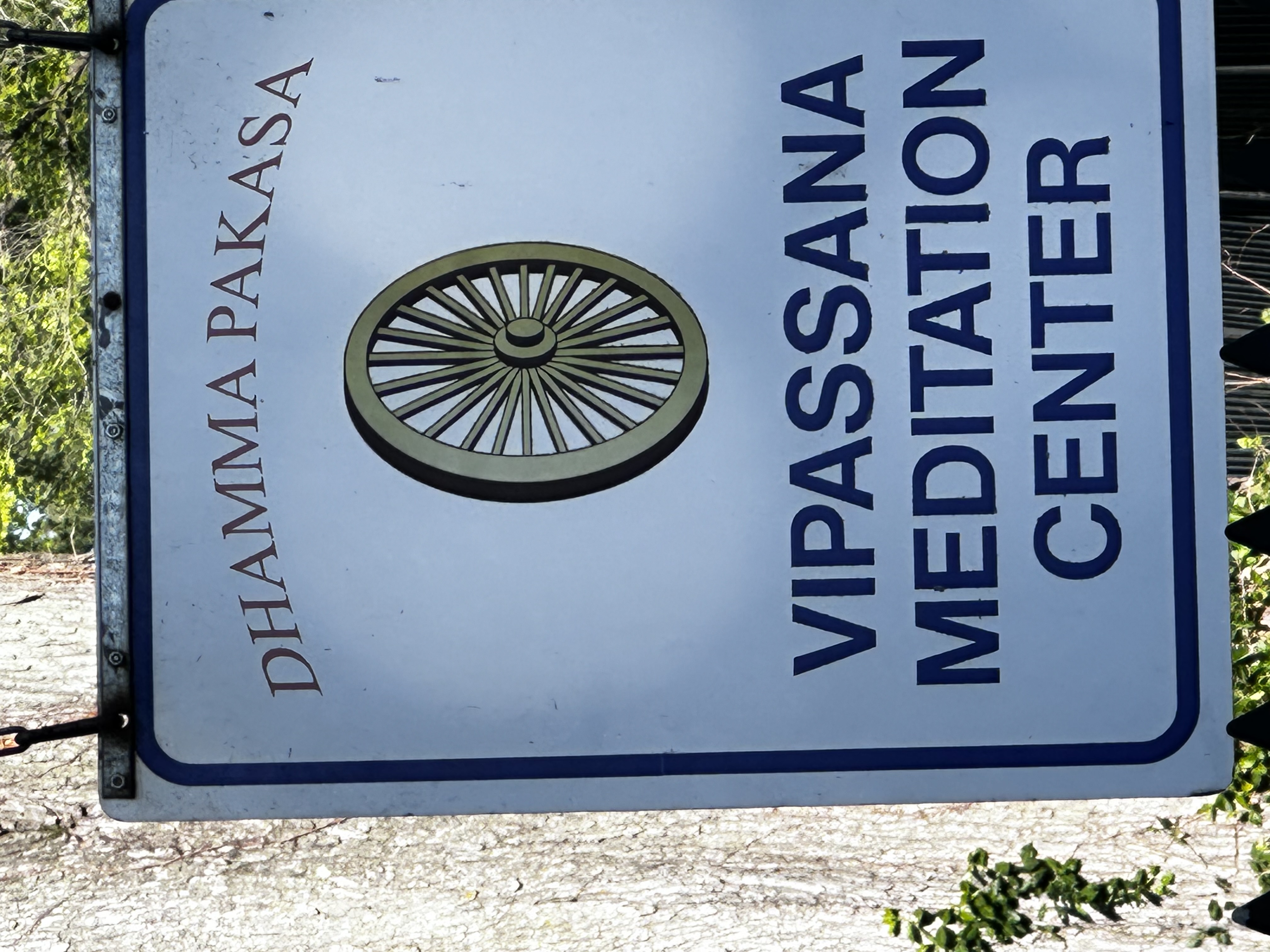
This summer I did something that, for a guy with my brain, sounded borderline impossible: I spent ten days in complete silence. Not "quiet weekend" silence. A Vipassana meditation program — ten days of Noble Silence. No phone. No social media. No talking to anyone, about anything, except the instructor at designated times. No eye contact conversations in the hallway. No "hey, how's your sit going." Nothing. For ten days, the loudest thing in my life was my own mind. And my mind is loud. What Vipassana actually is Strip away the mystique
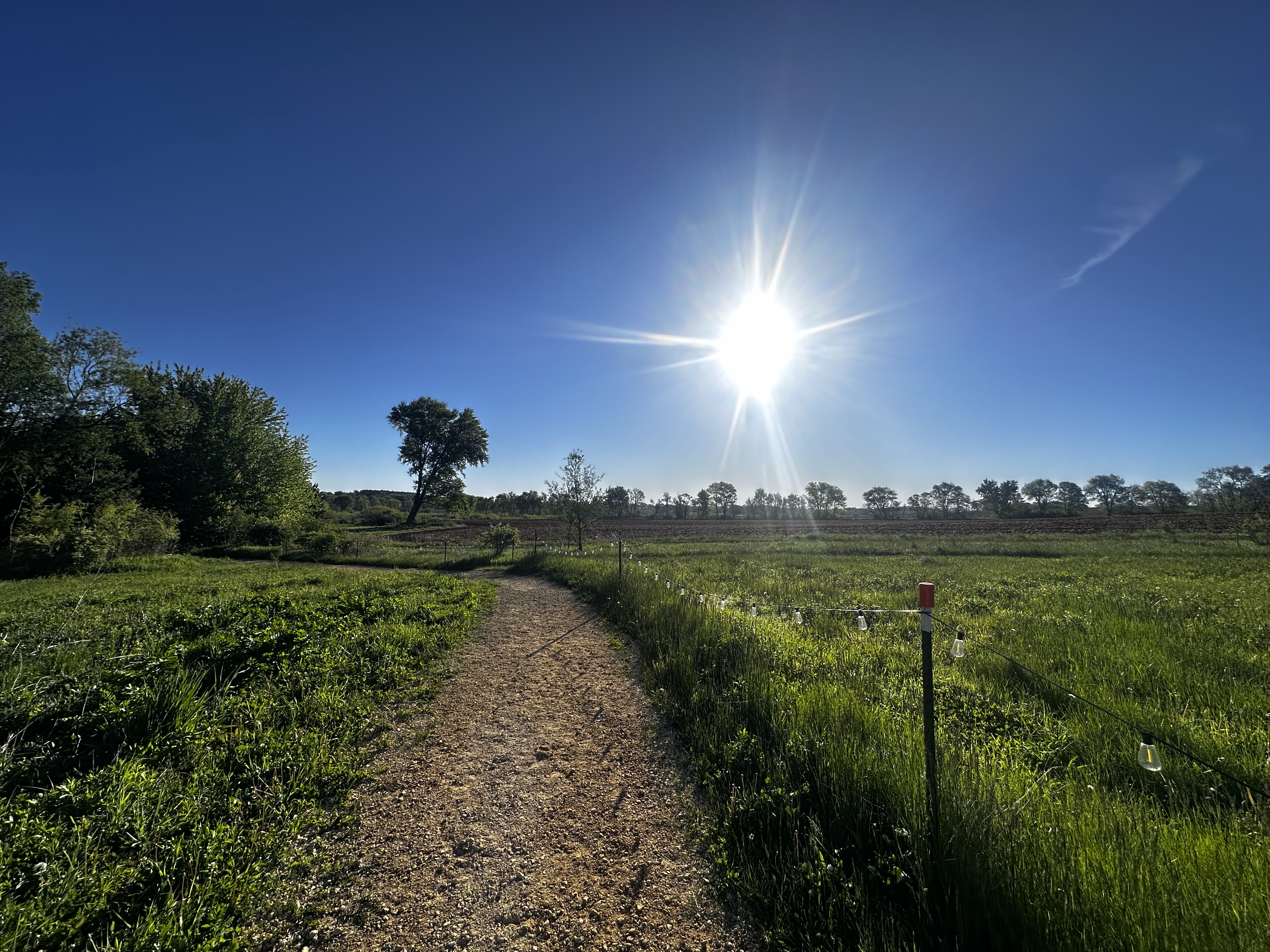
and Vipassana is simple: you sit, you observe your breath, you observe sensation, and you do not react. Hours a day. The silence isn't a gimmick — it's the container. Without conversation, without inputs, without anyone to perform for, there's nowhere for your attention to hide. You meet yourself exactly as you are. I'd be lying if I said I walked in calm. I walked in the way I walk into everything: overcommitted, slightly skeptical, and quietly convinced I'd be the exception to the struggle. I was not the exception. Day three: the crack By day three I was going absolutely crazy. Not peaceful-crazy. Real crazy. I couldn't talk to the people I love. I had no idea what was happening in their lives, in my business, in the world — and my brain filled every gap with worst cases. What if something happened and nobody could reach me? What if someone needed me and I wasn't there? Underneath the logistics was something rawer: the fear that life continues without me. That the world doesn't pause when I go quiet. That I'm not as load-bearing as my ego likes to believe. If you have an ADHD brain, you know this flavor of spiral. Take away the phone — the little slot machine of novelty I check a hundred times a day — and the static doesn't go away. It gets louder. Every unprocessed feeling I'd been outrunning with scrolling, posting, and busyness lined up and introduced itself. Day three was the wall. Everything after it was different. The person I couldn't call Meanwhile, my wife was home feeling her own version of the same ten days. She couldn't reach her partner. Not for logistics, not for comfort, not for the small end-of-day download we've built our life around. She described it as a kind of loss — grieving someone who wasn't gone, just unreachable. We went into those ten days as two people who talk every day. We came out having learned the same lesson from opposite sides of the silence: we are whole people on our own, and we choose each other. That's a different foundation than needing each other to feel okay. I don't think either of us expected the retreat to be a relationship retreat. It was anyway. Coming back was the real shock Here's the part nobody warned me about: re-entry. After ten days of total disconnection, talking physically hurt. My throat was uncomfortable holding a conversation for any real length of time. Raising my voice — not shouting, just projecting — felt like an excessive use of energy, like I was spending currency I didn't have. And social media? The need to post, to check, to be seen — it just wasn't there. It felt unnecessary. Almost absurd. So I stopped posting. Not as a statement. I just didn't feel the pull anymore, and for the first time in years, I let myself follow what I actually felt instead of the habit. What the silence gave me I'm not going to tell you meditation fixed my life. It didn't. I still have an ADHD brain. I still get overwhelmed. I still plan trips last-minute and pay for it. But here's what ten days of silence gave me, concretely: 1. Proof I can sit with discomfort. Day three taught me that the spiral peaks and passes. That's a skill I use now every time my brain starts catastrophizing — in business, in travel, in life. It peaks. It passes. I don't have to act on it. 2. A lower baseline of noise. When you remove every input for ten days, you recalibrate what "normal" stimulation feels like. Coming back, I could feel how much of my daily agitation was self-inflicted — the scrolling, the checking, the performing. I can't un-know that now. 3. Energy awareness. Feeling my voice as energy expenditure changed how I spend myself. Words cost something. Attention costs something. I'm more deliberate about both now — which, for someone building a business and a community, matters more than any productivity hack. 4. The difference between connection and contact. I love my wife more clearly now, not because I missed her (though I did), but because I met myself without the constant reassurance of contact. Connection is choosing someone. Contact is just signal. Why I'm posting again — and why it's different now I stopped posting after the retreat because posting felt empty. I'm posting again now because I finally have a clear purpose for it. Somewhere in the silence, the noise burned off and what was left was a bigger vision for my life. I have these skills — meditation, systems thinking, building community, figuring things out with an ADHD brain instead of against it — and it's time to share them. Not as a guru. As a guy who's in it, documenting what actually works. That's what this whole new wave of content is. The trip content, the ADHD systems, the AI co-pilot stuff — it all comes from the same place the silence pointed me: stop performing, start sharing what's real, and build something that helps people while it sustains the life I want. Ten days of silence taught me when to be quiet. Now I'm learning when to speak — and making sure it's worth the energy.